Monday October 13, 2025
I had read so much about the Shimanami Kaido and was so hoping that it would not disappoint. I was so confident that it would be well marked that I didn’t even download a RidewithGPS route or a google maps route. Although I was a little concerned when I looked at RidewithGPS and it didn’t have the route on it and directed us on to a ferry at one point.
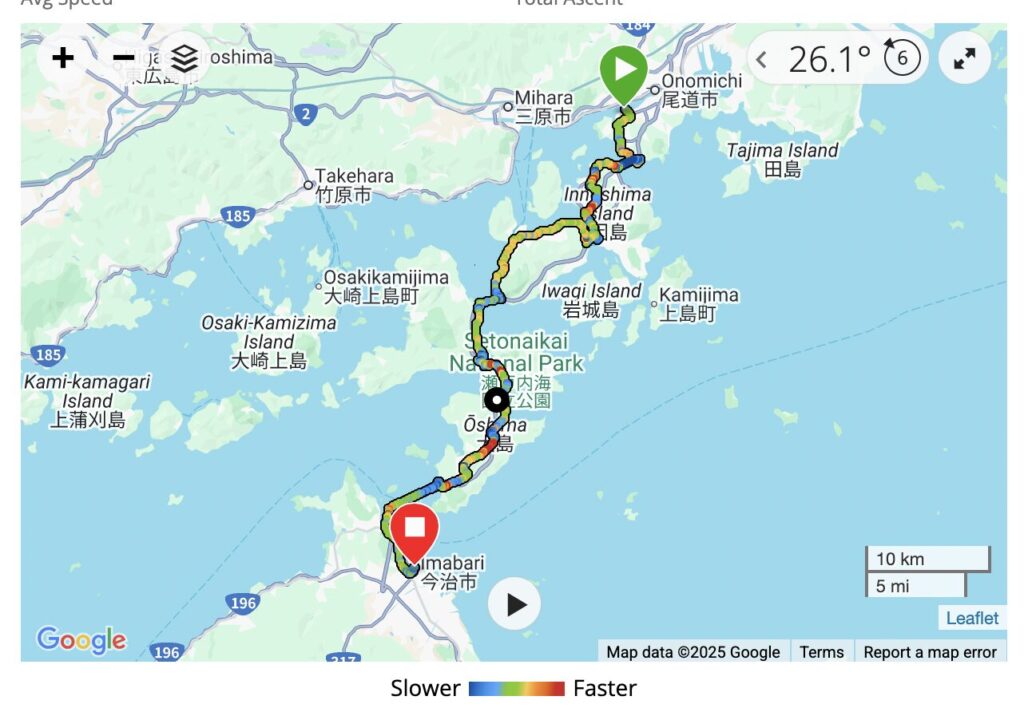
The ride and bridges were everything I could have hoped for. The route was well marked, with a blue line and directions to the next bridge, it was so easy to follow. Most people do this ride as a one-day challenge ride. The distance is 75 kms from the ferry dock at Mukaishima on the first Island to the train/bus station at Imabari.
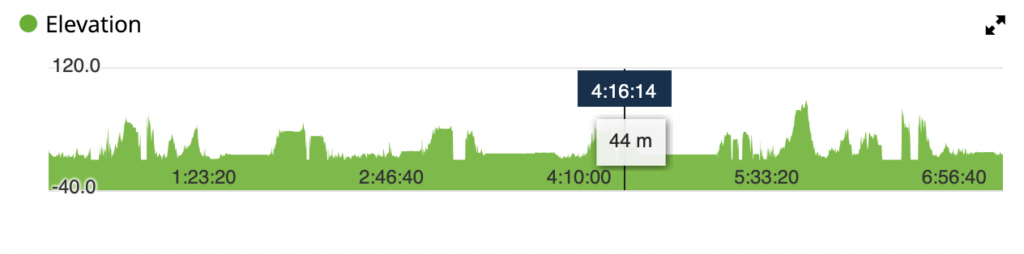
On my garmin and garmin connect the elevation was 1141 metres of climbing. All the climbs are an average of 3% over a varying distance of 1.7 kms to 700 metres.
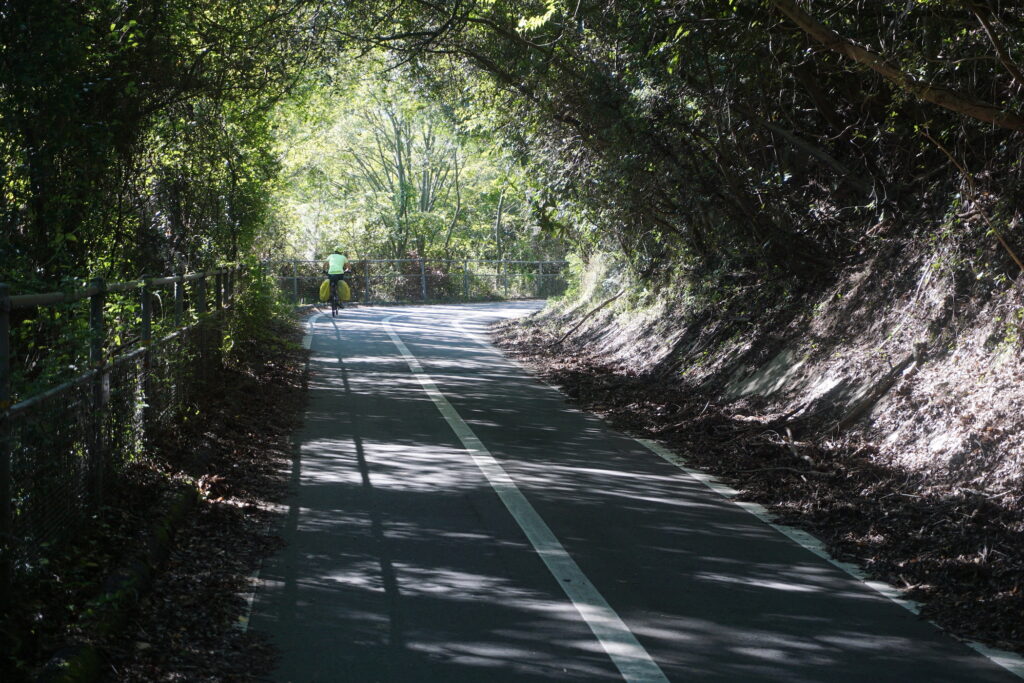
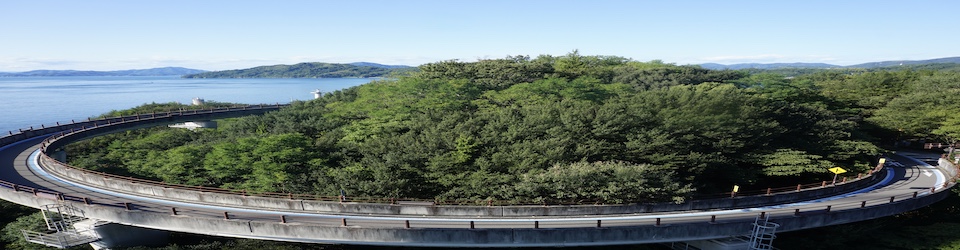
This was one of the approaches to the bridges.
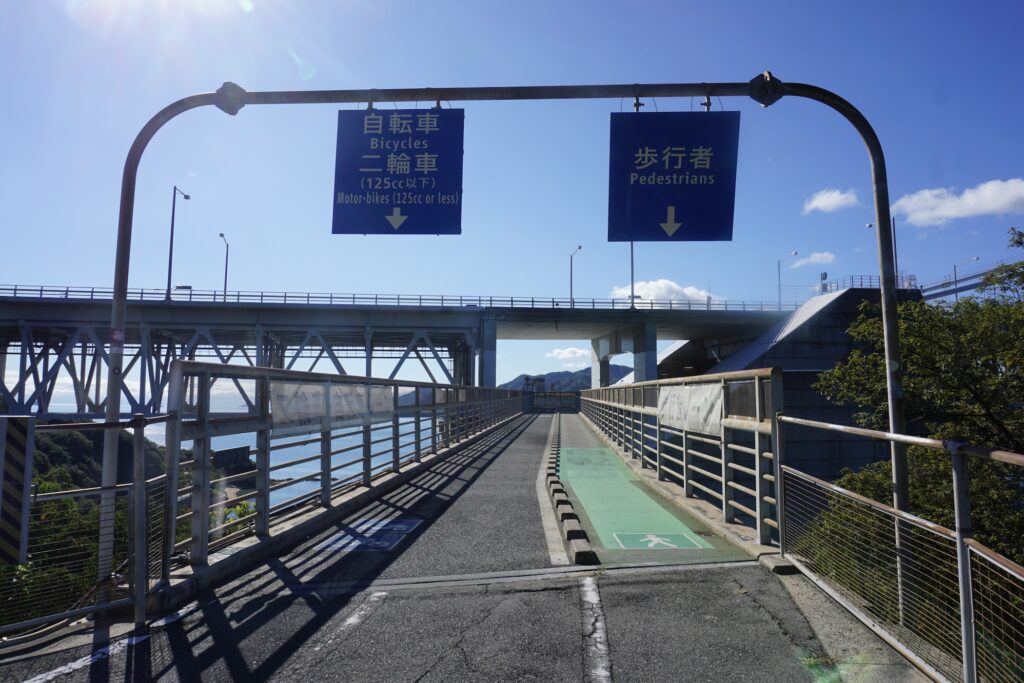
We would approach the bridge and often there was a spot where you could take a photo of the bridge. Then there would be a bicycle and scooter path to take you up to the cycle path that took you across the bridge.
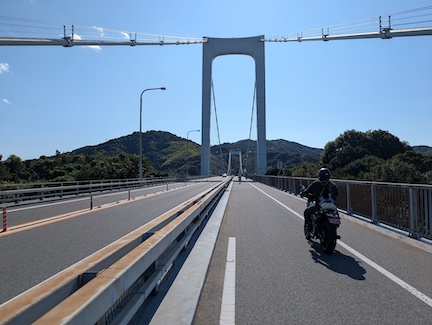
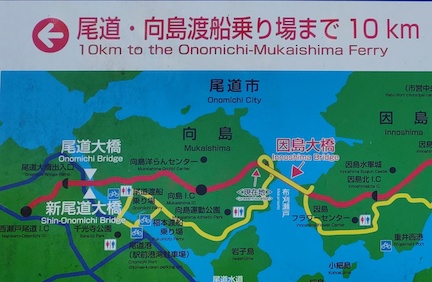
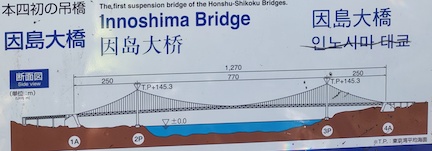
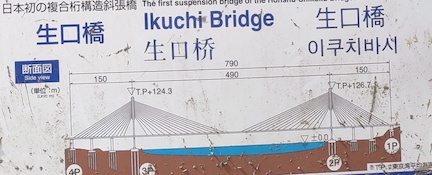
The thought and engineering behind the bridge construction and the approaches for scooters and cyclists was inspiring. Prior to crossing there was an information board about the bridge, size, construction date, and distance to the next bridge. Both Ralf and I had big grins on our faces all day.
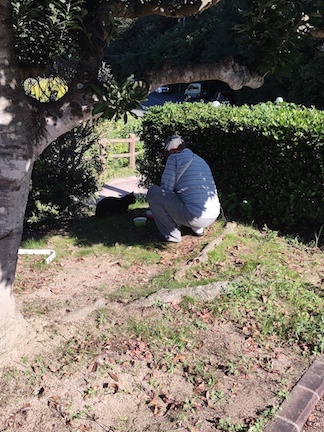
As we came to the first area where we could get a good photo of the first bridge there was an old fella feeding a stray cat. The little black cat waited patiently as he got the bowl out and then the food. The old man chatted quietly to the cat all the time he was preparing the kitty’s food. I have read a couple of books by the author Hiro Arikawa – The Cat Chronicles is awesome. If you want an easy read and a fun insight into cats, this is a good book.
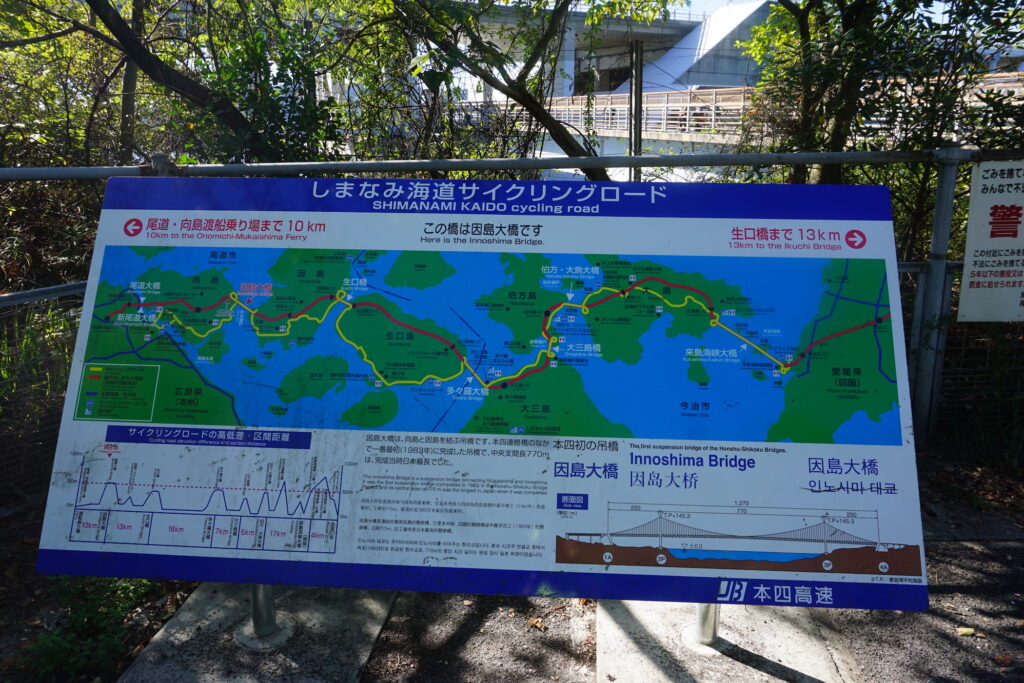
The first bridge of the day was the Innoshima bridge, a suspension bridge connecting Mukaishima and Innoshima. It was the first bridge (completed in 1983) in the Honshu-Shikoku Bridge Project. It’s central span of 770 m was the longest in Japan when it was completed.
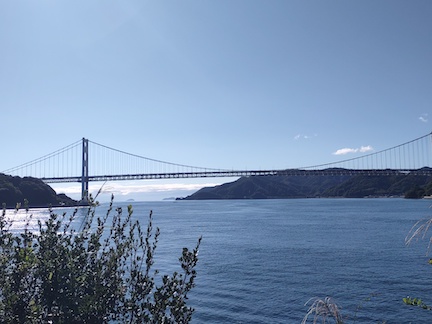
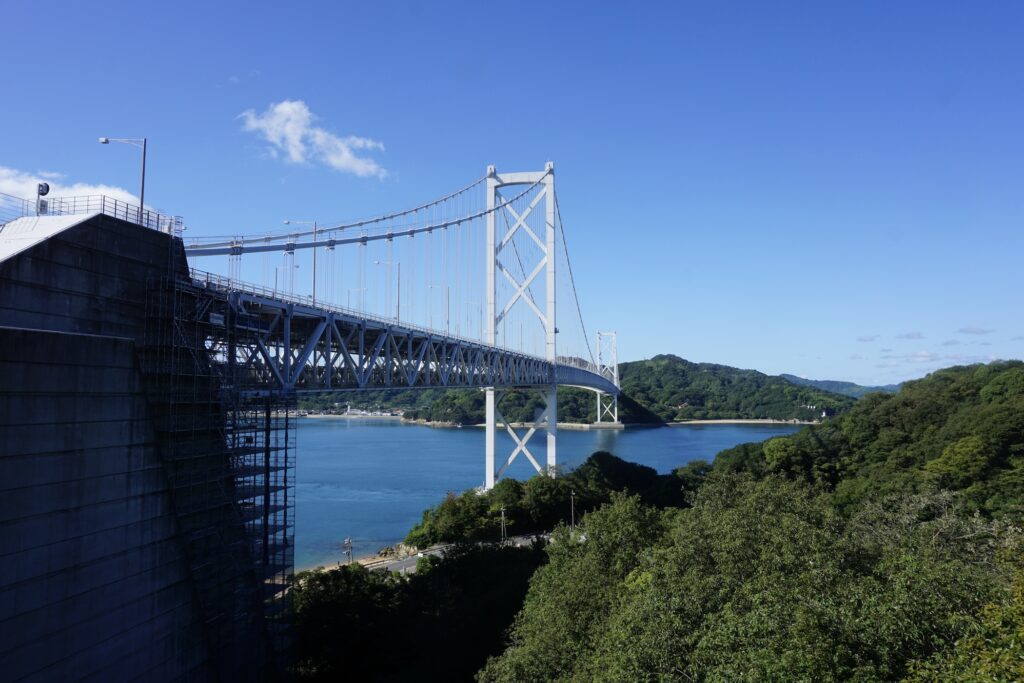
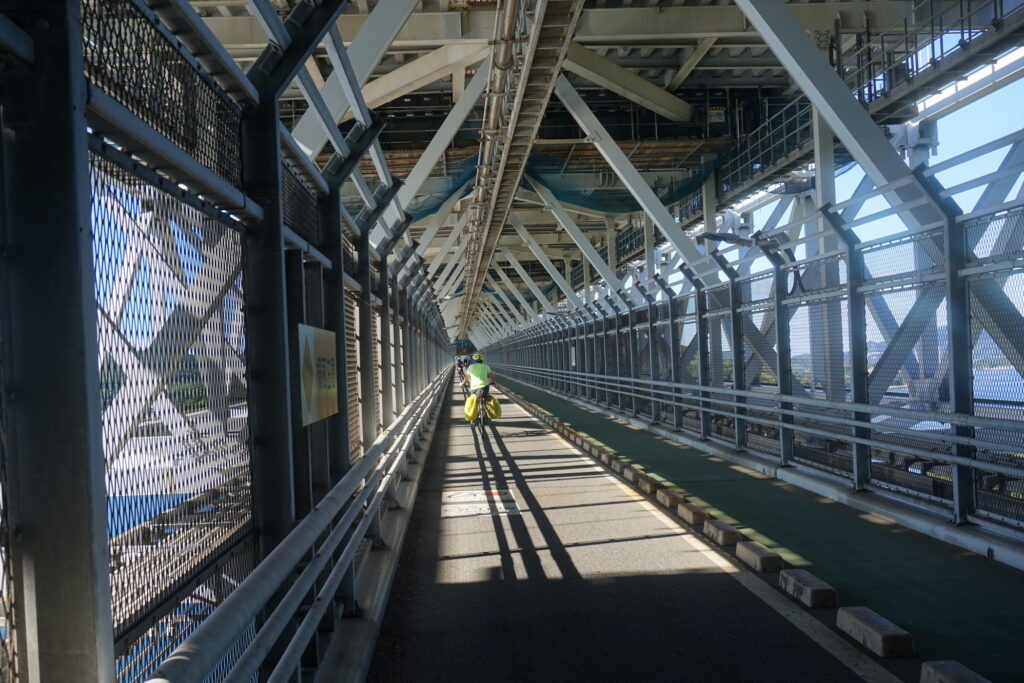
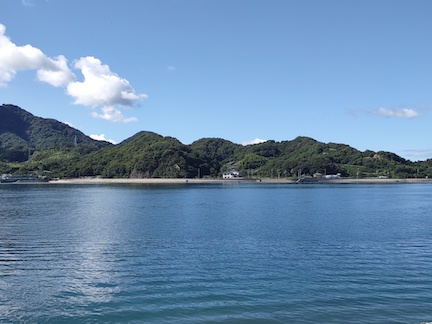
We cycled on our own path, underneath the car deck. The view from the bridge was amazing. There appears to be a lot of small beaches in the area.
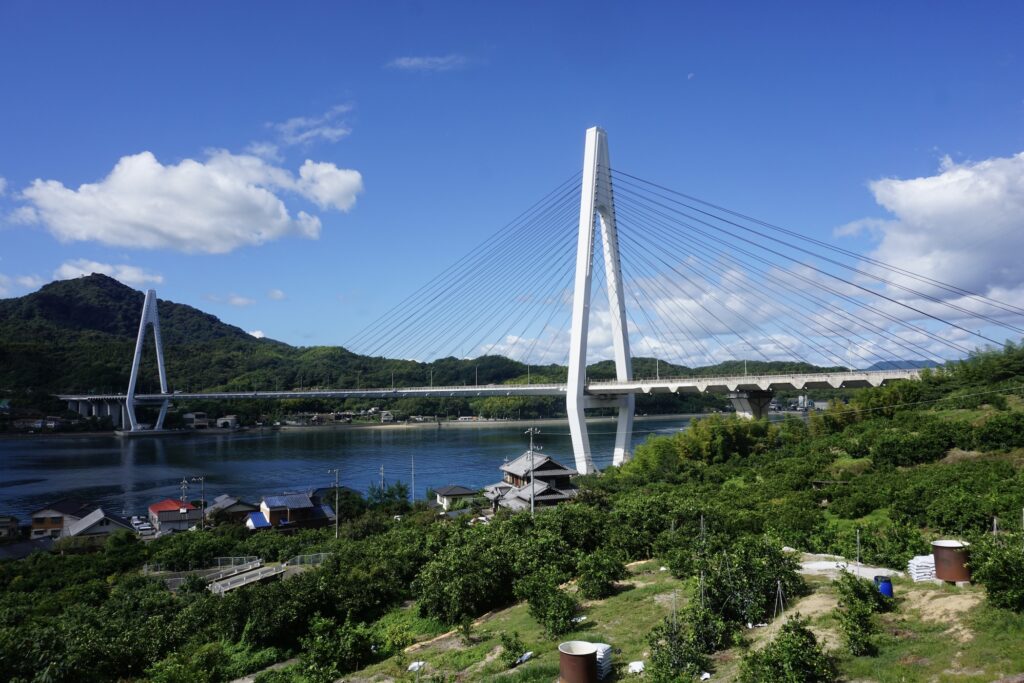
The second bridge was the Ikuchi Bridge, it Is a cable-stayed bridge connecting Innoshima to Ikuchima. It is the first cable-stayed bridge in Japan to use a composite girder structure with heavy concrete girders in the side spans and steel girders in the center span.
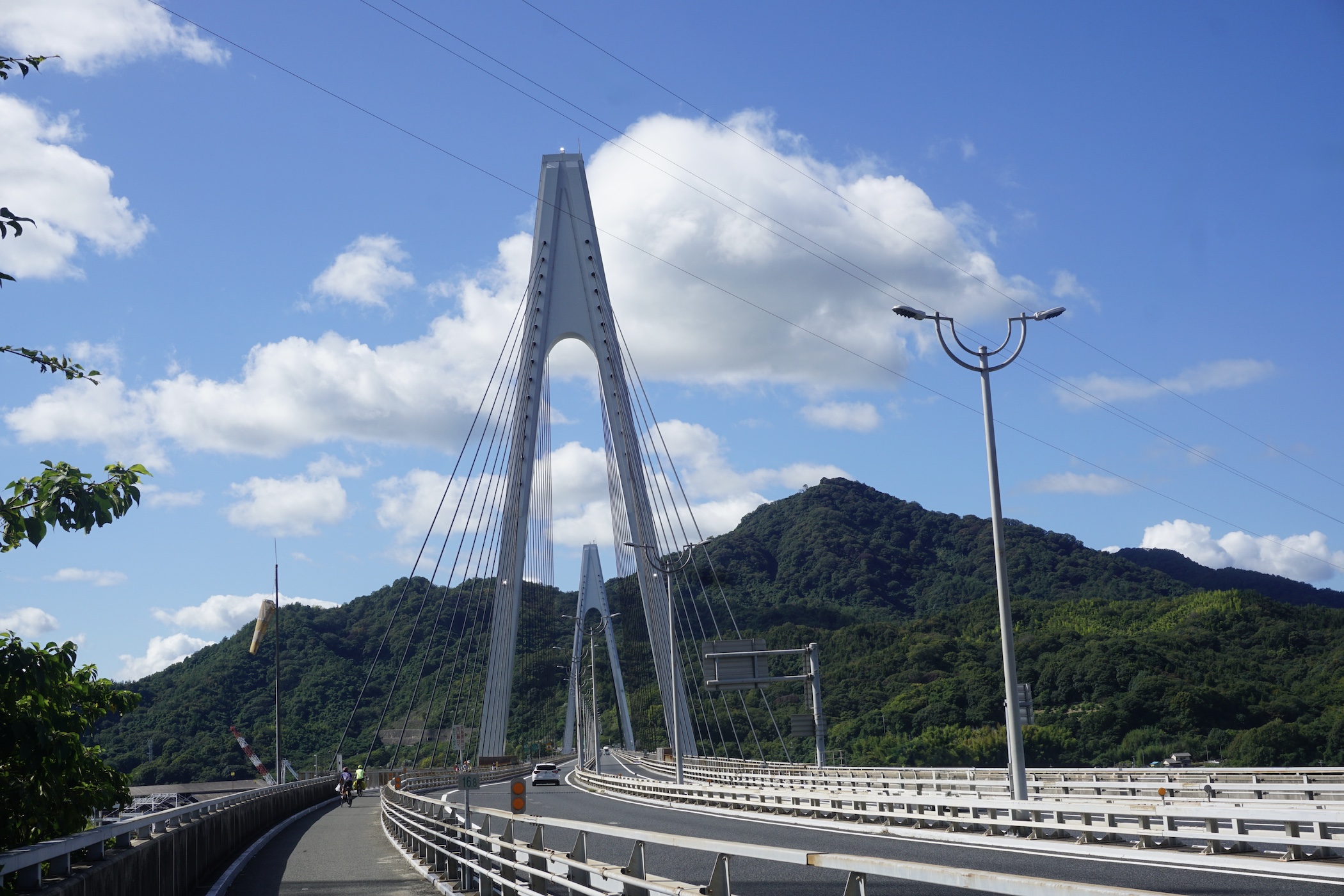
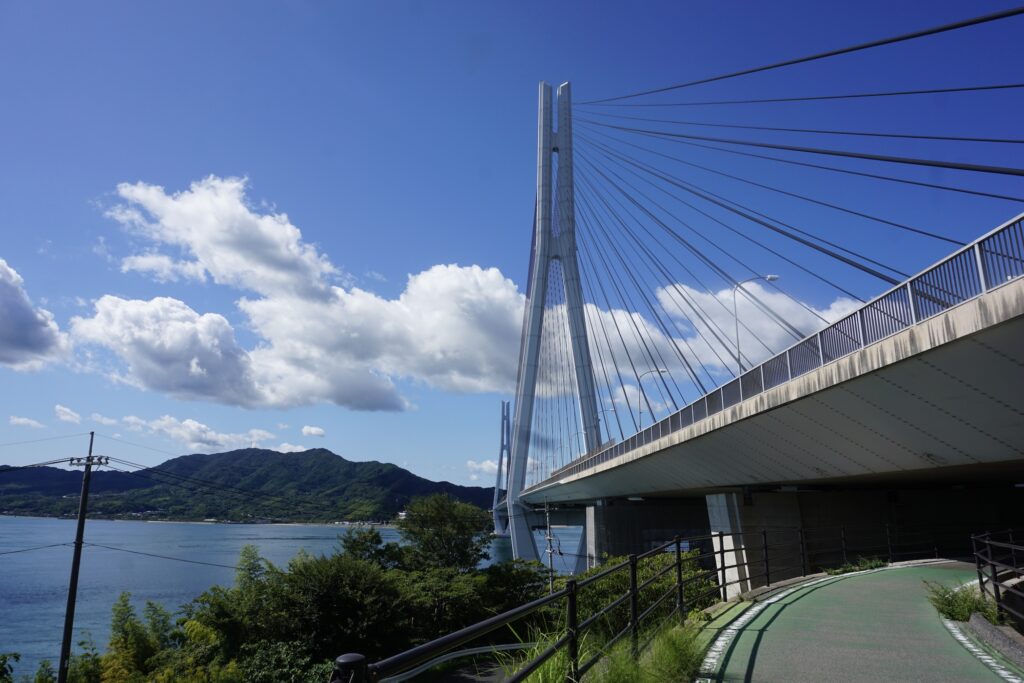
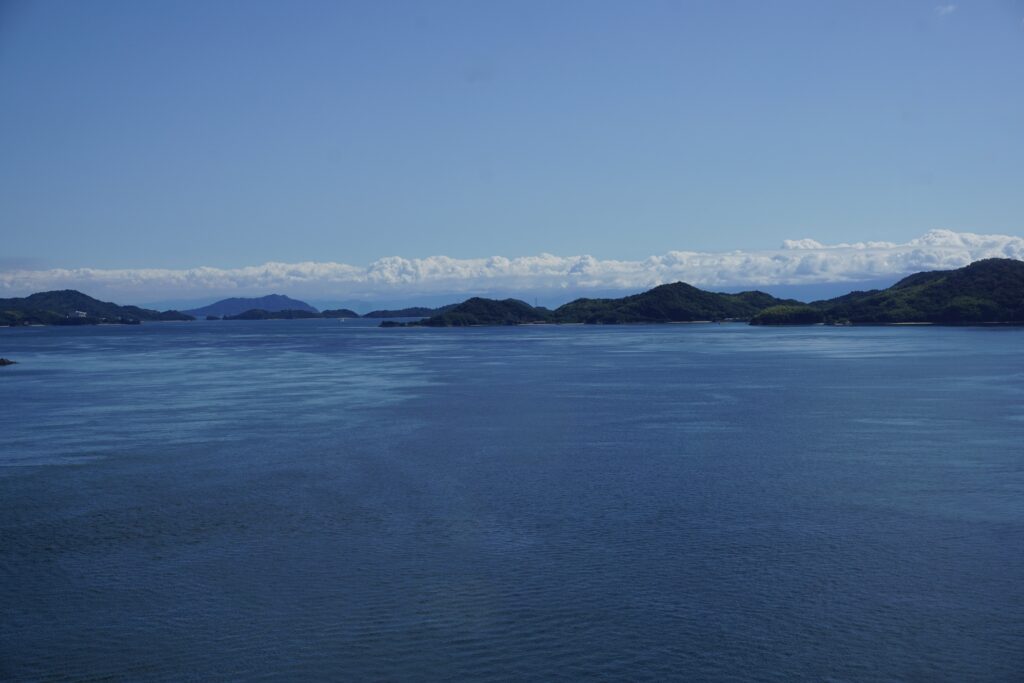
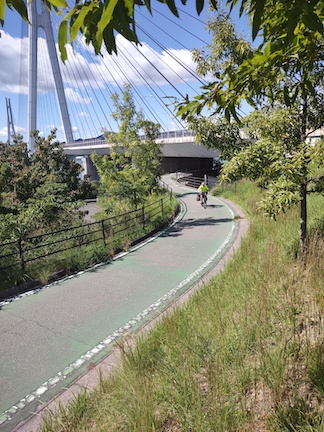
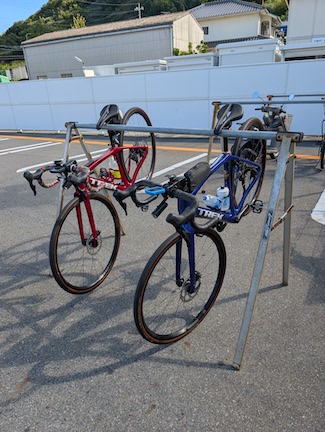
Between the second and third bridges, we cycled along the blue line overlooking the Seto Inland Sea. At the first Family Mart we met a Japanese couple who were training for 100 km hilly ride. They were going to cycle to the second Island then turn around and go back to Onomichi. They both had really nice Trek bicycles with electronic shifters. He spoke good English, and she didn’t speak a word of English. He complained slightly that she had the better bike.
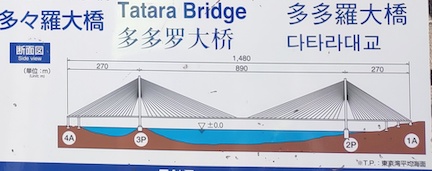
The third bridge was the Tatara Bridge. The Tatara Bridge is a cable-stayed bridge connecting Ikuchima and Omishima. It was the world’s largest cable-stayed bridge when it was completed, with a central span of 890 metres. The original plan was for a suspension bridge, but it was changed to a cable-stayed bridge in consideration of the preservation of natural environment and economic efficiency.
We had 16 kms to cycle to the next bridge. There would have been lots of things to see on this Island Omishima, if we had chosen to make this a longer route.
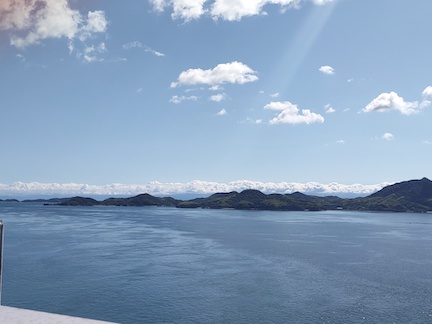
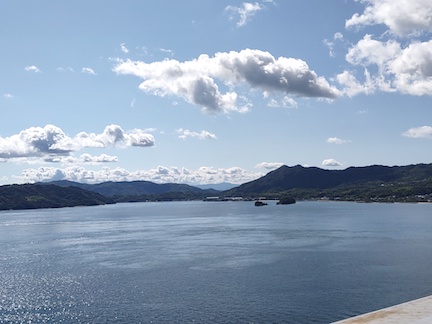
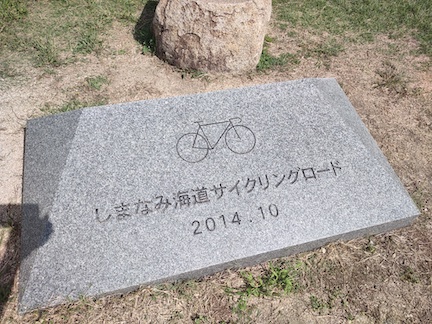
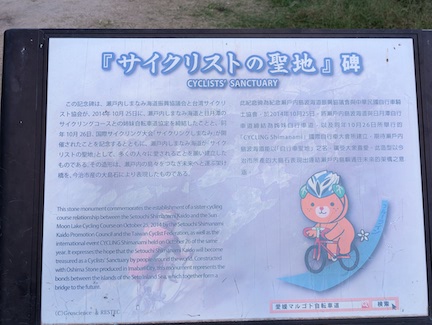
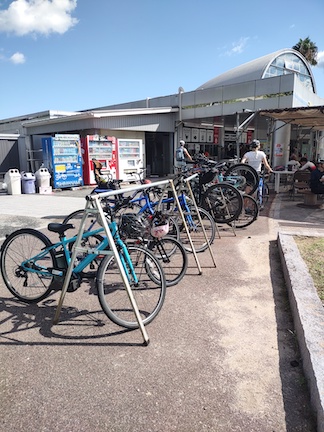
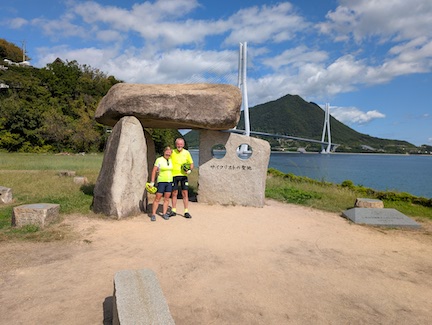
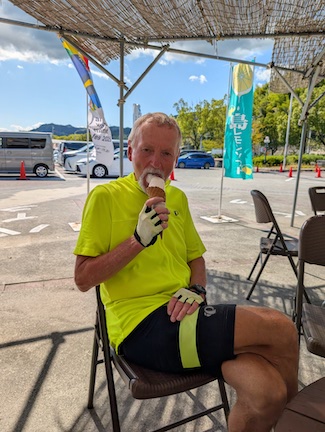
At the end of the bridge is a cyclist’s sanctuary. A place to stop have something to eat, relax, take in the view. The “Stonehenge” photo is mandatory, and the area was created as a twinning between Taiwan (Round the Island) and Japan (Shimanami Kaido). We had a soft-serve ice-cream and carried on. Neither of us fancied a burger and fries! There were a lot of cyclists stopping here. As this was a Monday I was surprised to see how many cyclists and families were out and about.
We carried on to the next Family Mart replenished our water and had lunch. We met a Scottish fella with his Polish girlfriend. She told me that she cycled, but only about 15 – 20 kms. She was wearing a pair of shorts that I thought would be better for playing beach volleyball, not for riding 75 kms. Her lady parts were going to be sore. On the last bridge with about 15 kms to go she was really struggling, tired, sore and wasn’t sure if she would get to Imabari. Once you are on the last bridge, there is only one way to go. We did see quite a few people who had bitten off more than they could chew, they were looking very tired. Ralf and I thoroughly enjoyed the ride.
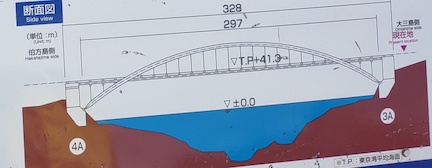
The fourth Bridge the Omishima Bridge is a span bridge connecting Omishima to Hakatajima. The bridge was the first to be completed among the Honshu – Shikoku bridges (1979). The 297-metre arch bridge was the longest in Japan at the time.
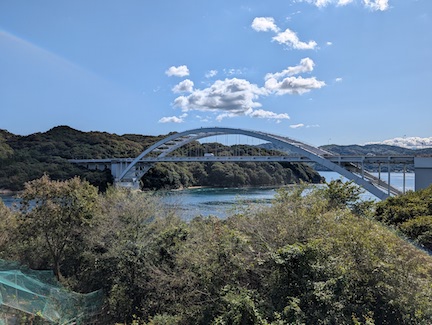
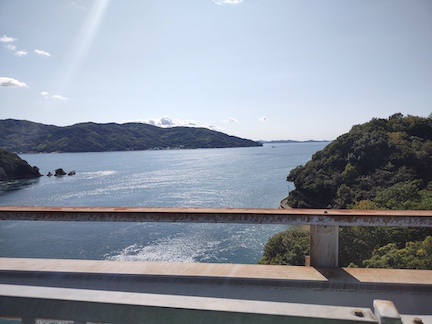
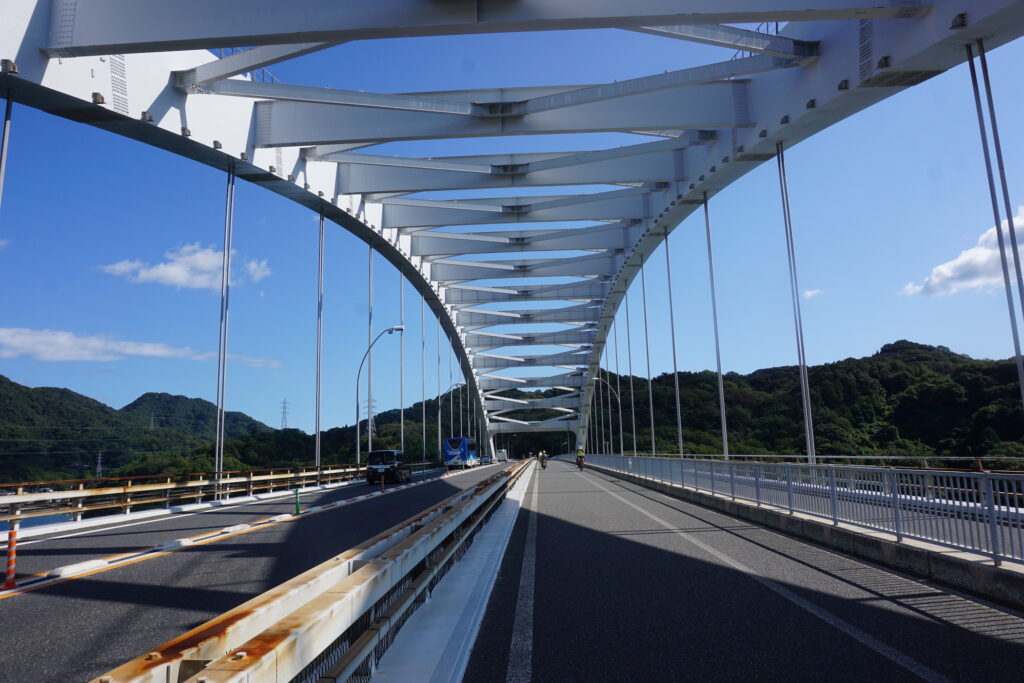
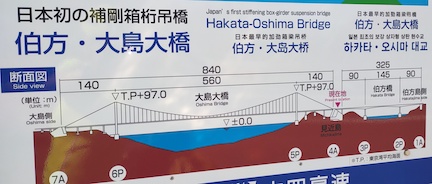
The fifth bridge Hakata-Oshima Bridge. The Hakata bridge is a steel girder bridge connecting Hakatajima and Michikajima. The Oshima Bridge is a suspension bridge connecting Michikajima and Oshima, with stiffening box girders adopted for the first time in Japan.
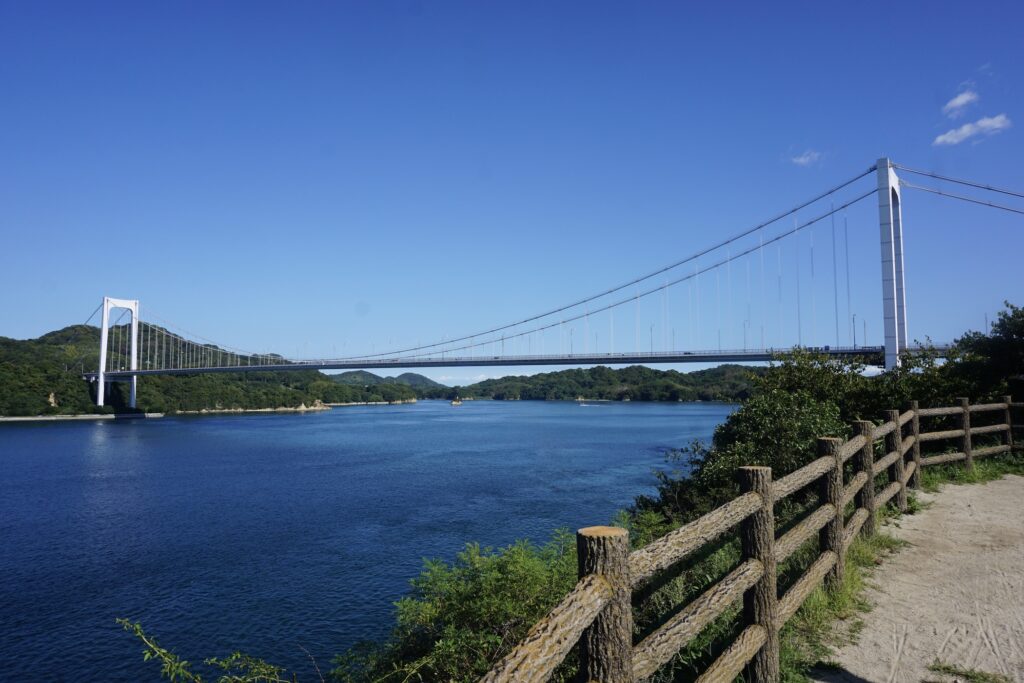
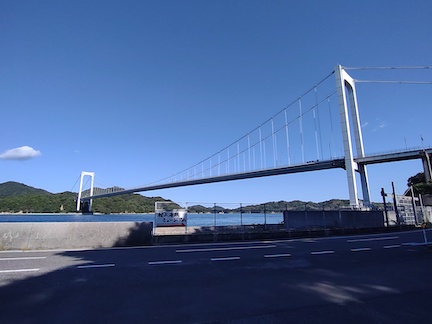
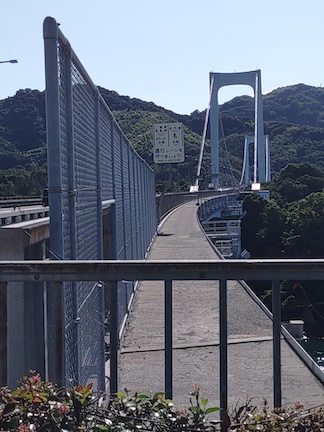
This photo looks as though there is no barrier. We cycled on the other side. There was a barrier between the cycle/scooter path and the cars on all of the bridges.
The sixth Bridge the Kurushima-Kaikyo Bride is approximately 4 kms long it is the world’s first three continuous suspension bridge located between Oshima and Imabari. The Kurushima Strait, is one of Japan’s three major tidal currents and well-known to seafarers for its dangers. The triple suspension bridge is of an economical design as its structure shares one foundation between two bridges. The bridge opened in 1999. I missed the information sign on this bridge.
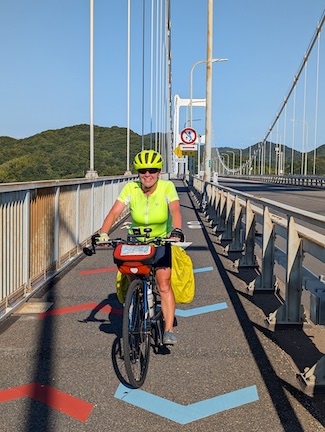
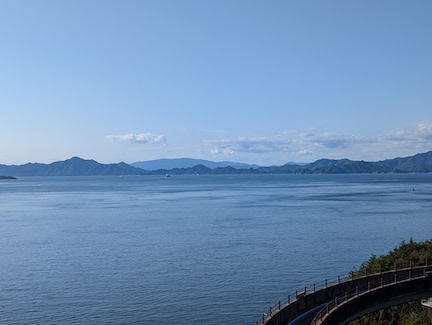
The last bridge and still smiling
Video of Ralf catching up to me on the last bridge
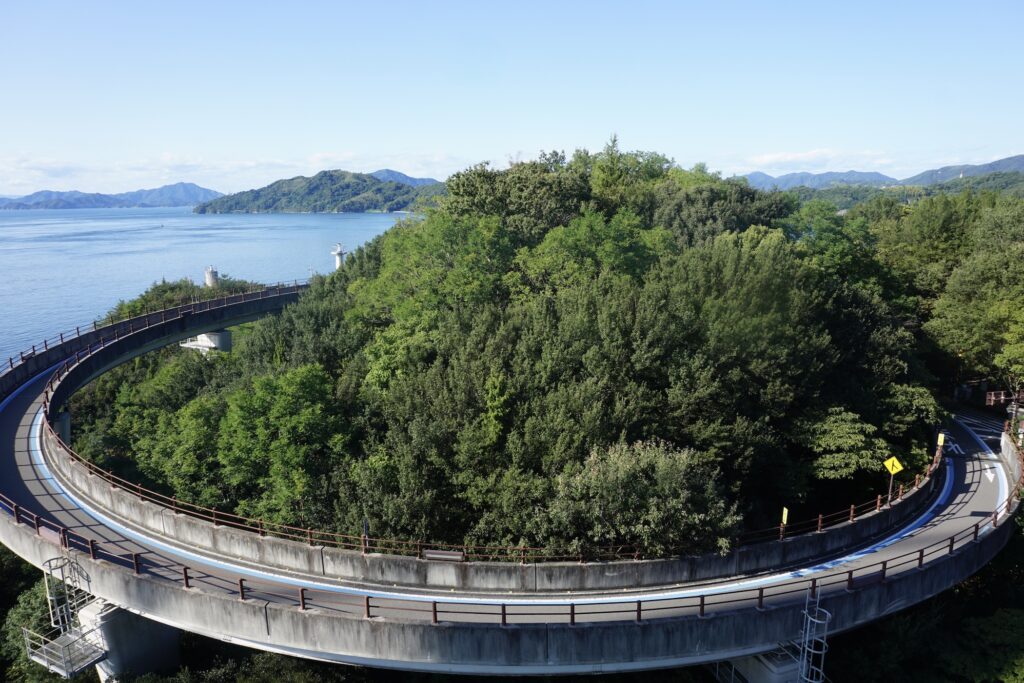
This is the cycle path from the last bridge, awesome design.
What I hadn’t read on any other post was that there was so much to see and do along the route. We met a Japanese lady from Tokyo that comes to this area two or three times a year. She cycles the bridges but stays for a few days on one of the islands and visits interesting places to see on that island.
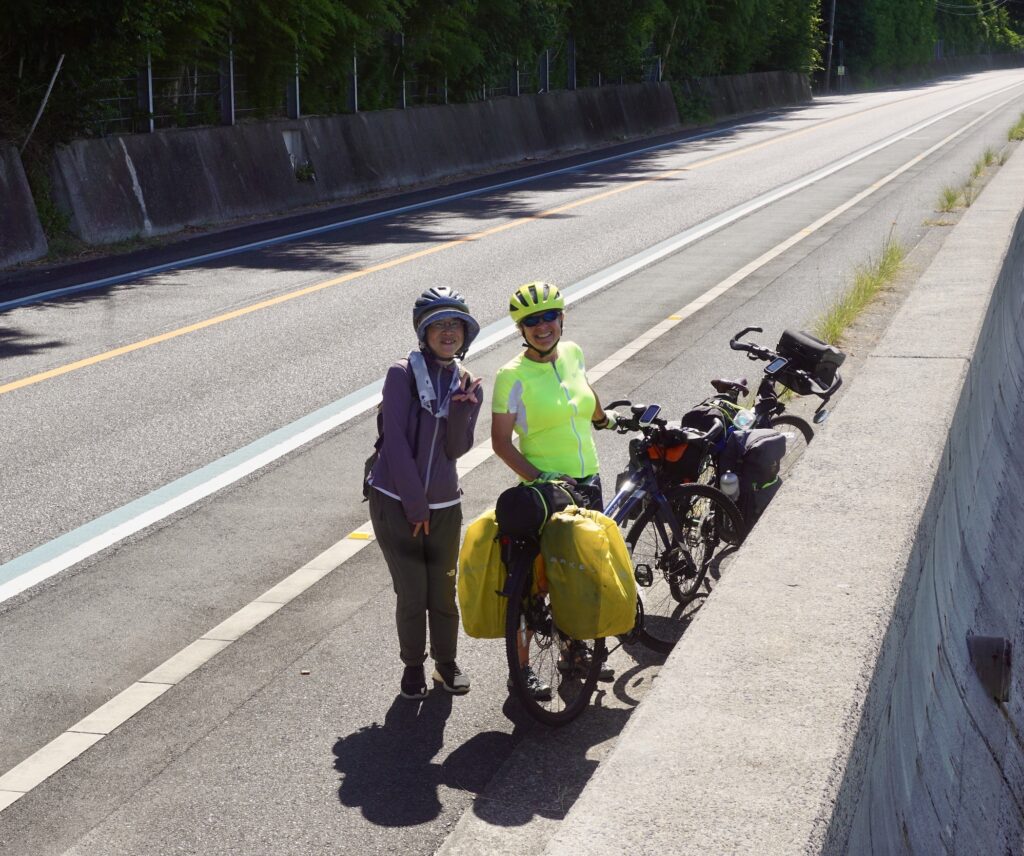
She took a couple of nice photos of Ralf and me.
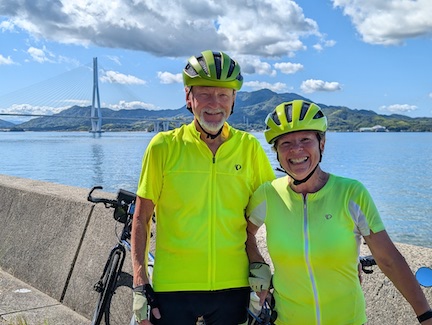
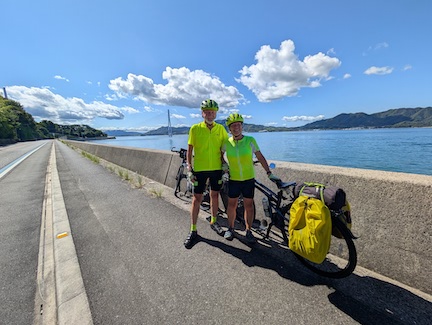
I had read on one post that there were no hotels on the Islands, you had to do the Shimanami Kaido in one day. I noticed lots of bike hostels, and small guesthouses I am not sure how you would find out how to book these, but it would be nice to be able to spend some time in this area.
What would be nice is to cycle the bridges in one day, spend a bit of time in Imabari and Shikoku Island then cycle back across the seven bridges and take breaks along the way staying at the different Islands. Hindsight!
When we arrived at Imabari train station Ralf followed the directions on google maps to the guesthouse we were staying at for the night.
The old fella that manned reception invited us in, directed us to sit down and left. Minutes later he was back and took us to the garage where we could lock our bikes. He showed me the code and after securing the bikes inside the garage we went back into the guest house. Again, he directed us to sit. We hadn’t registered he hadn’t checked our passports, we both wanted to get to the room and have a good shower. He kept directing Ralf to sit, Ralf using google translate indicated that he had been sitting on a bike all day, he needed to stand. They both laughed. Again, he left, minutes later he came back with a lady who spoke good English. She registered us took us to our room and showed us the shower rooms, Japanese bath and toilets. We are in a family room with three futons, only two were laid out for us. Everything was new, you could almost smell the wallpaper paste, it was so new.
After showering, we went back downstairs and met a fellow cyclist that had all his stuff everywhere in the small kitchen area. He was washing out his backpack and everything that had been inside. He had bought some fish on his ride and added ice to the bag. The bag leaked and now everything was a fishy mess.
We asked the lady at the front desk where to eat and she recommended a couple of places. Off we went down streets and alleyways and eventually found the first restaurant – it was closed, as was the second restaurant. We headed towards the train station, everything was closing and there did not appear to be any restaurants open. There was a bakery closing and we got some buns and sweet stuff for dessert at 50% off. Not Family Mart again, no we found a large supermarket where we would get breakfast food and dinner.
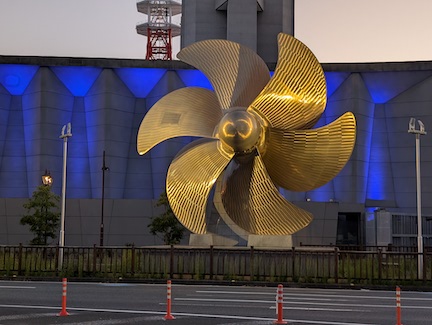
Imabari Museum
There had been a lot of people on the bridges, and we later discovered that today was a National Holiday to encourage sport and recreation.
Back to the guesthouse and buddy was still cleaning his backpack. Raf and I sat at the table and ate while the other guy was telling us about his trip and his bike. He was an older fella (77), originally from the U.S. he had moved to Canada to avoid the draft of the Vietnam war. He had been in Tokyo for a week and then came to Shikoku Island. He had cycled the bridges and was thinking about cycling Shikoku, but wasn’t sure he would have time or be able to get the bike on the train. He indicated that his wife didn’t ride and that it must be nice to be able to ride with your partner.
I would say that this is the best day of riding in Japan. Lake Biwa was good, but this was awesome.
We went up to our room and fell asleep quickly. I didn’t write this blog until much later. (October 19, 2025). Tomorrows blog will explain all.